


August Outturn 2025 Feature Article
Words: Kimi Kim
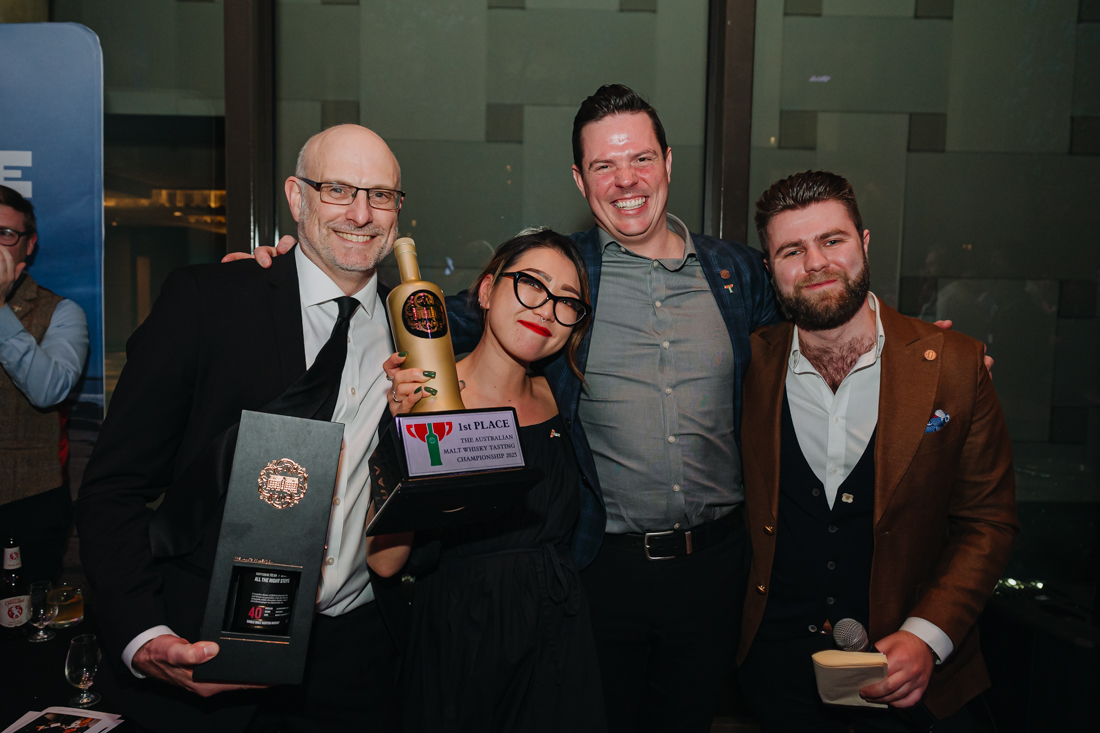
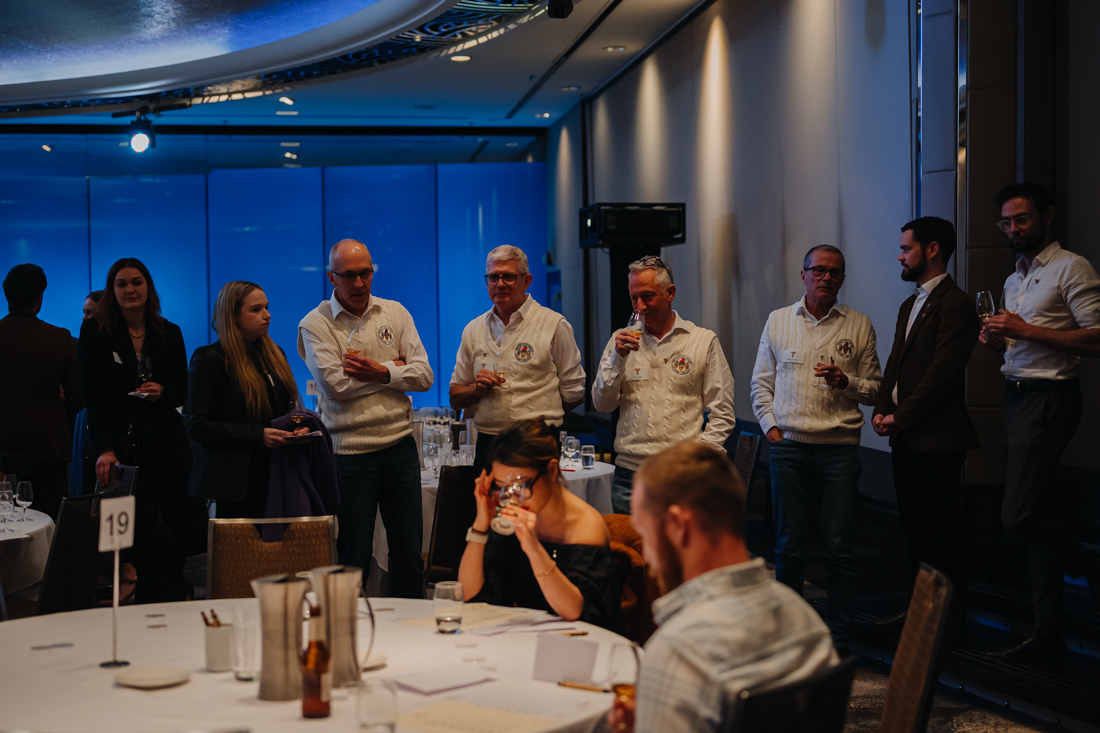
To begin, everyone’s got their own superpower when it comes to tasting whisky. Some are brainiacs with incredible knowledge, able to name a whisky just by knowing its background. Others have these amazing palates, picking up every little detail about casks, grains etc. I believe I’m the one who can smell better than I can taste. The majority of my decisions at Champs this year were made based on what I smelled and what fitted, and this article is to share the incredible night of Champs 2025, with some advice for anyone out there prepping for Champs 2027!
My journey in hospitality stretches back six years, with almost three of them dedicated to whisky. And even now, I’m still learning every day from everyone I meet, especially from some truly incredible people — my whisky family! I have to give a special shout-out to Julian White and Brooke Hayman, who are always sharing their incredible knowledge on distilleries and history, that knowledge reallyhelped me get a handle on each distillery’s style. And to Lachlan Watt and Shane Larkins, who guided me on how to taste whisky and to analyse it.
Keep in mind, this is all based on my personal opinion and my own flavour notes, so it might be spot-on for you, or it might not. But hey, remember? There’s no right or wrong when it comes to whisky. We all love whisky, and that’s why I’m writing this, and why you’re reading it!
My top tip?
It’s simple: “know the distillery style, trust your sensory memory.”

Round 1: Champs!
The Australian Malt Whisky Tasting Championship: you have to correctly identify eight whiskies blindly in 30 minutes (with nine whiskies listed on your answer sheet, one is a red herring).
The 2025 Champs list included:
- Archie Rose Double Malt
- Bowmore 12
- Kilchoman Machir Bay
- Ardbeg 10
- Laphroaig Select
- The Singleton 12
- Glenfiddich 12
- Tomintoul 10
- Glen Grant 10.
Before I even started, I checked the list of whiskies first. The goal was to quickly recall what style of whisky each distillery produces, their key flavours, important characteristics, and even flavours I particularly liked or disliked from them. This created a mental “shortlist” of bullet points to reference.
Here’s how I approached Champs 2025:
- Nosing first, always: If the first whisky was peated, I’d skip it and move on to the next. Leave the peated drams until the end — we’ve got a long way to go! Start with the unpeated whiskies. Give each whisky a quick 3–5 second nose and really focus on that very first impression. Remember, just smell. Don’t taste, yet! Think about it: What kind of fruit? If it’s grassy, is it wet, dry, or like a forest? Is it a rich sherry or a spicier one? Then, I’d jot down a number or numbers with a question mark (or no question mark!) next to the whisky I thought it might be (remember, you have two answer sheets, one to submit, and one to keep).
- Strategic tasting: Once I’d nosed everything, I’d go back to the first unpeated whisky and start tasting. Then, I’d narrow down the flavours and my initial thoughts. Don’t overthink it. Ideally, try to start from light/fruity whiskies, then move to the sherry-matured ones, and finally to lightly peated. For example, after nosing all the unpeated whiskies, I started tasting #5 (Glen Grant 10) and #7 (The Singleton 12). I’d left question marks next to both because they felt pretty similar. If the flavour profile is close, put a number with a question mark and come back to compare them side-by-side. Also, consider what malts might be blended in. The Singleton usually has a bit morebody weight and a slightly greener, fruitier character than Glen Grant. On the other hand, #4 (Tomintoul 10) was super easy. It was a bit confusing on the nose, but I always find milk tea on the palate for Tomintoul, and sure enough, I tasted milk tea. Fun fact: I’ve actually never tasted an official bottling of Tomintoul, but all the independent bottlings I’d tried had that milk tea note, so for me, it’s a key distillery style.
- The peated finish: Lastly, it’s time to tackle your peated whiskies. What kind of peat are you getting? Dry? Clean? Mossy? Coastal? Is there that “sauna rock crunch”? Is it sweet? Is it thin, oily, or rich on the palate? This was another tricky one! #1 (Ardbeg 10) and the red herring (Kilchoman Machir Bay) were tough. They’re both ex-bourbon cask (Ardbeg 10 is 100% ex-bourbon, Kilchoman is 90% bourbon and 10% sherry), so they’re bright, with lots of lemon citrus and fruity sweetness. But Kilchoman often has a bit of a fresh tennis ball note on the nose and a more crunchy palate weight. If whiskies have similar characteristics, taste them and see how they really sit on your palate.
Round 2: The Taste-Off – Peated Edition
Eleven of us went into this taste-off: which was to identify three peated whiskies among six in just 5 minutes.
The whiskies:
- Highland Park 12
- Bunnahabhain 12
- Caol Ila 12
- Lagavulin 8
- Port Charlotte 10
- Laphroaig 10.
Here, it was all about recalling the PPM (Phenol Parts Per Million), the key flavour of each distillery, and distinguishing the different types of peat. Think Highland Park’s Orkney Island peat versus Laphroaig’s distinct peat, for instance. If the flavours were similar, I’d see if the peat was more pronounced. Younger peated whisky tends to be a bit cleaner, and the peat note more obvious. For me, personally, since Caol Ila has
been part of Diageo, the spirit became a little sweeter, where I often pick up notes of white sugar and peanut brittle. Whereas Lagavulin is a bit more oily, like roasted barley tea. They were so similar to me by that point, and what helped me pick Lagavulin 8 was that it felt cleaner and younger.
Round 3: The Final Taste-offs
For the final taste-offs we had to identify one sherried whisky among eight in 3 minutes.
The final whiskies:
- Glendronach 12
- Aberlour 12
- Glengoyne 10
- The Dalmore 12
- Glendronach 12 (yes, again!)
- Glenfarclas 15
- Glefarclas 12
- Glenfarclas 8
This round was brutal right after a heavy round of peated whiskies. So mean! Again, I went back to basics: What do I know about each distillery, and what can I truly detect from this glass?
I had my top three picks after about a minute of nosing and tasting. I’d ask myself: Is it rich and has enough red berries to be Glendronach? Do I taste the soft baking spices and meaty spirit of Glenfarclas? If not, then whatever’s left must be the answer. I personally hadn’t tasted Aberlour 12 in years, but I knew the style of whisky the distillery produces well enough to include it in my final picks. If the other two just didn’t fit what I was looking for, then it had to be you! And it was Aberlour 12. Use the process of elimination!
And that’s how the Champs 2025 journey unfolded for me! I want to close this with many thanks for the support and love from all you beautiful people. It was challenging, but also an incredible experience — a great party and a fantastic way to meet such passionate whisky lovers from all around Australia. See you at Champs 2027!
— Kimi Kim